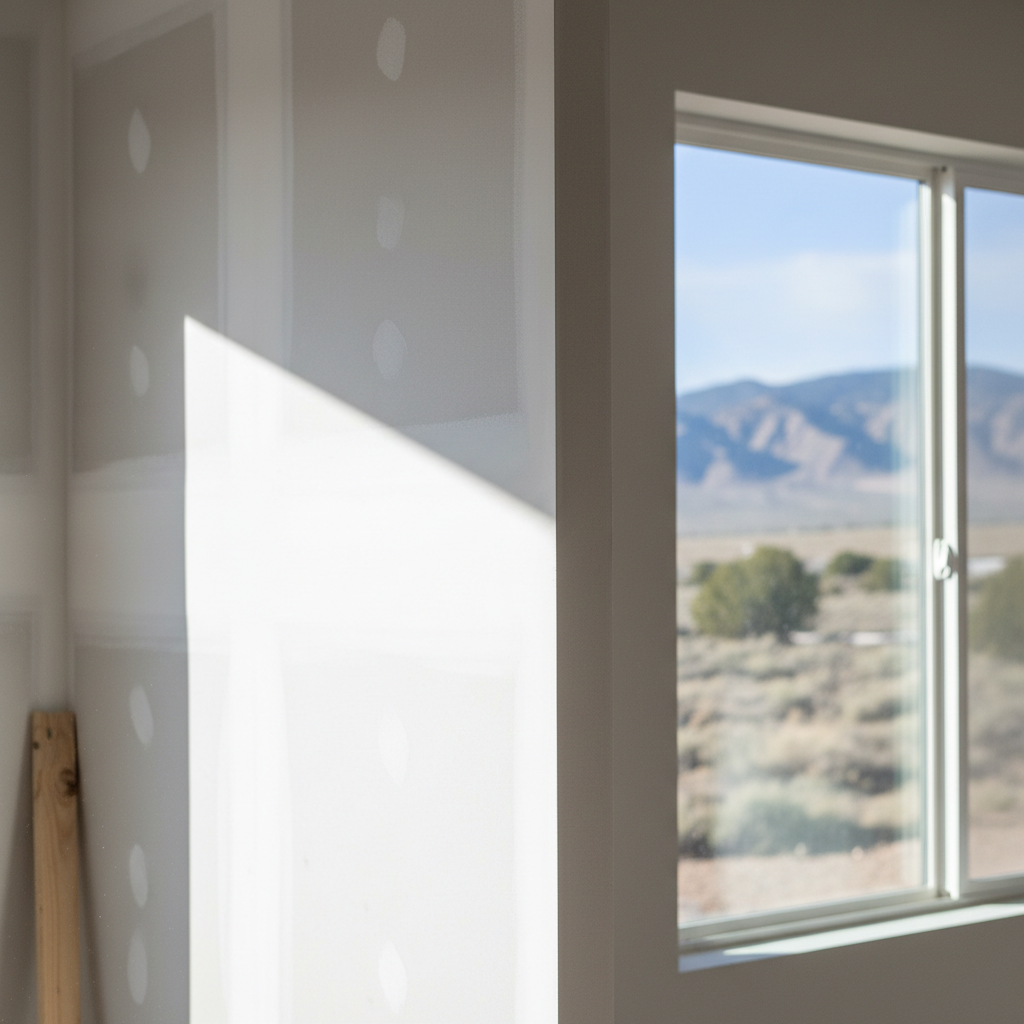
Alright, let's talk sheetrock. I've been doing this for a long time, and I hear a lot of the same questions from homeowners around Sandy. People want to know what to expect, what's normal, and what they should be looking out for. So, I figured I'd put together some straight answers to the most common stuff I get asked. No fancy marketing talk, just what you need to know from someone who's on the job every day.
What's the difference between drywall, sheetrock, and gypsum board?
Honestly, for most homeowners, there's no practical difference. They're all pretty much the same thing. 'Gypsum board' is the technical term for the material itself – a core of gypsum plaster pressed between two sheets of heavy paper. 'Drywall' is the general term for the construction material and process, because it's a 'dry' alternative to plaster. And 'Sheetrock' is actually a brand name, owned by USG Corporation. It's like how people say 'Kleenex' instead of 'tissue,' right? So, if you say any of those, I know what you're talking about. I usually just say 'sheetrock' or 'drywall' myself.
How long does it take for joint compound (mud) to dry?
This is a big one, and it depends on a few things. Generally, a thin coat of mud can dry in 2-4 hours. But if you're putting on thicker coats, or if the humidity is high, it can take 12-24 hours, sometimes even longer. Here in Sandy, especially during our humid summer monsoons, you've really got to be patient. I always tell folks not to rush it. If you sand too early, you'll just gum up your sandpaper and make a mess. Good airflow helps a lot, so keep those windows open if the weather's good, or run a fan.
Why do I see nail pops or screw pops in my walls?
Ah, the dreaded nail pop. You'll see these as little bumps or cracks where the drywall fastener is pushing through the surface. Most of the time, it's due to framing lumber drying out and shrinking after your house was built. As the wood dries, it can pull away from the drywall, causing the fastener to pop out slightly. It can also happen if the fasteners weren't driven in correctly in the first place – either not deep enough or too deep, breaking the paper face. It's a common issue, especially in older homes or new builds where the lumber wasn't fully seasoned. We fix them by re-securing the drywall with new screws nearby, removing the old popped fastener if possible, then re-mudding and sanding.
Can I just patch a hole in sheetrock myself, or do I need a pro?
For small holes – like from a picture hook or a small ding – absolutely, you can patch it yourself. Grab a small patch kit from the hardware store, follow the directions, and you'll be fine. For bigger holes, say fist-sized or larger, it gets a bit trickier. You'll need to cut out a clean square, add some backing wood for support, cut a new piece of drywall to fit, screw it in, then tape and mud it. Getting it perfectly smooth and blended with the existing wall takes practice. If you're not confident you can get a seamless finish, especially on a prominent wall, that's when you call someone like us at Progressive Drywall Inc. We've got the tools and the touch to make it disappear.
What's the deal with different levels of drywall finish?
This is important because it dictates how good your walls will look after painting. There are five levels, and they go from Level 0 (just the boards up, no finishing) to Level 5 (the smoothest, highest quality). Most homes get a Level 4 finish, which means taped joints, two coats of mud, and sanded smooth. It's good for most paints and textures. Level 5 is for when you want a really smooth wall, especially if you're using high-gloss paint or have critical lighting that will highlight every imperfection. It involves a skim coat over the entire surface. If you're building a new home up in the Pepperwood area with lots of natural light, you might want to consider Level 5 for certain rooms. For a basement remodel, Level 4 is usually perfect.
How do I prevent cracks from coming back after I've repaired them?
Persistent cracks are a pain. If you've got a crack that keeps reappearing after you patch it, it's usually a sign of movement in the house's structure. This could be due to settling, changes in humidity, or even minor seismic activity – we're in Utah, after all. For these, simply mudding over it won't cut it. You need to open up the crack a bit, then use a fiberglass mesh tape (sometimes called 'self-adhesive mesh tape') over the crack before applying joint compound. This mesh provides extra reinforcement and flexibility. If it's a really bad, wide crack, sometimes we'll even cut out the section and replace it, making sure to properly tape and mud all the seams. If the cracks are severe and widespread, it might be worth having a structural engineer take a look, just to be safe.
Hopefully, this clears up some of the questions you've had about your sheetrock. It's not just about putting up boards; the finishing work is what makes your walls look great. If you've got a project or a repair that's beyond your comfort level, don't hesitate to give Progressive Drywall Inc a call. We're here to help you get those walls looking perfect.