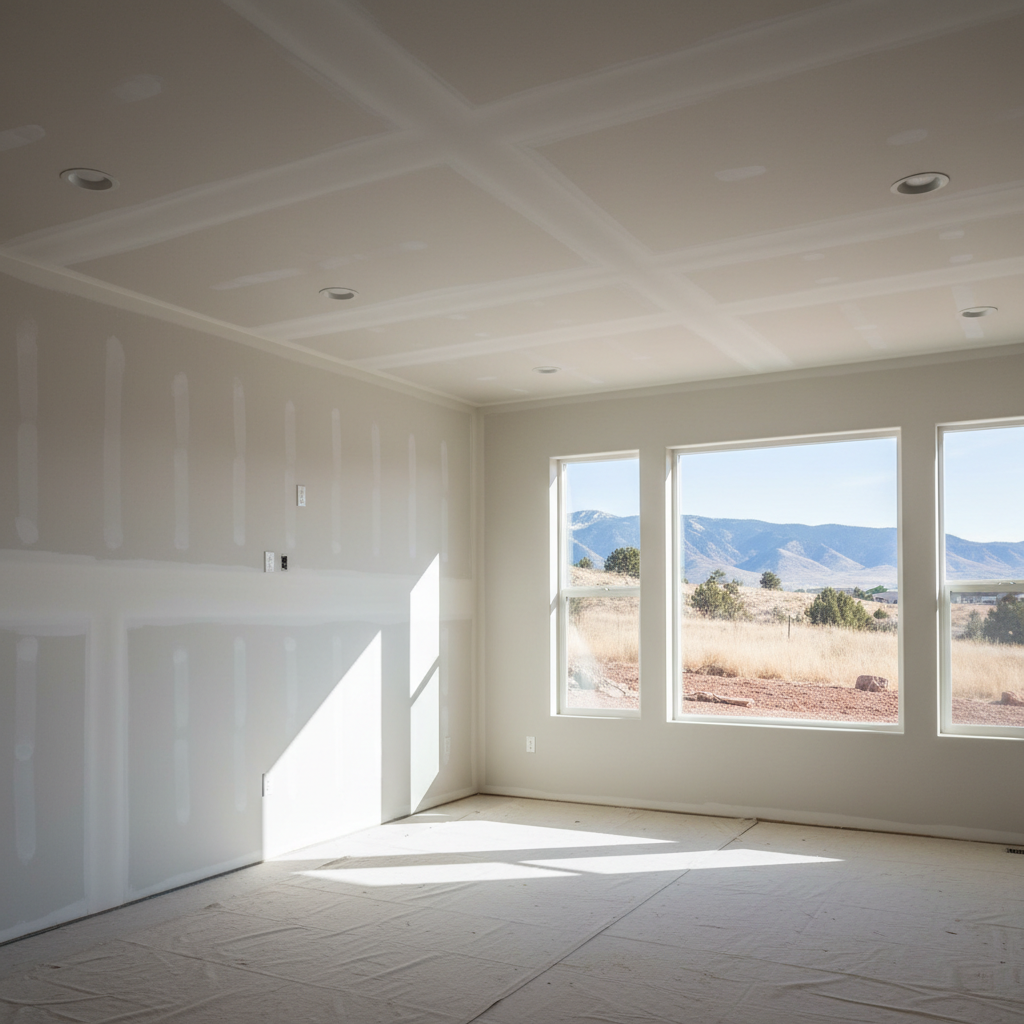
So, you've got fresh drywall, maybe I even put it up for you. Good stuff. But just like anything else in your home, it's not a 'set it and forget it' kind of deal if you want it to truly last. You've got to give it a little love, you know? Here's what I tell folks in Sandy about keeping their drywall in top shape for years to come.
Extending Your Drywall's Lifespan: It's Simpler Than You Think
The biggest enemy of drywall, especially here in Utah, is moisture. Our dry climate for most of the year can actually make things brittle, but then you get those sudden snowmelt issues or a plumbing leak, and boom – you've got a problem. So, the first rule is pretty simple: control the moisture.
- Ventilation is Key: Make sure your bathrooms and kitchen are well-ventilated. Run those exhaust fans during and after showers or cooking. That steamy air has to go somewhere, and you definitely don't want it settling into your walls and ceilings.
- Fix Leaks Fast: Don't put off that dripping faucet or that slow leak under the sink. Water travels, and it loves to find the path of least resistance, which often means soaking into your drywall. The sooner you fix it, the less damage you'll have. This goes for roof leaks too – especially with our heavy snowfall up on the Wasatch Front.
- Mind the Humidity: In winter, when our homes get super dry, you might run a humidifier. That's fine, but don't overdo it. Too much humidity can lead to mold and mildew issues, which are a nightmare for drywall. Keep it balanced, okay?
- Protect Against Impact: This one's common sense. Don't let kids throw balls against the walls. Use doorstops to prevent doorknobs from punching holes. When moving furniture, be careful. Small dents are easy to patch; big holes are a much bigger job.
Regular Maintenance: Your Quick Check-Up
You don't need to inspect your drywall with a magnifying glass every day, but a quick once-over every few months can save you a headache. It's really about being observant.
- Look for Discoloration: Any yellowing, browning, or dark spots could indicate water damage or mold. Pay extra attention around windows, vents, and plumbing fixtures.
- Check for Cracks: Small hairline cracks, especially in older homes, are often just normal house settling. But if you see new, large, or expanding cracks, particularly around doorframes or windows, it might signal a structural issue or significant settling.
- Feel for Soft Spots: Gently press on your walls, especially in areas prone to moisture like bathrooms. If the drywall feels soft, spongy, or gives way easily, it's likely water damaged.
- Keep it Clean: Dust and cobwebs can accumulate, especially on textured surfaces. A light dusting or gentle wipe-down with a damp (not wet!) cloth keeps things looking fresh. For scuffs, a magic eraser works wonders on painted drywall.
Warning Signs You Can't Ignore
Some things are more than just cosmetic. If you see any of these, don't wait.
- Bubbling or Peeling Paint: This is almost always a sign of moisture behind the wall. The paint loses adhesion as the drywall gets wet, plain and simple.
- Musty Odors: If you smell something damp or moldy, but can't see it, there's a good chance it's growing behind your walls. Mold doesn't always show itself immediately.
- Sagging Ceilings: This is a serious one. A sagging ceiling almost certainly means significant water damage or a structural problem. Get it checked out immediately.
- Large, Expanding Cracks: As I mentioned, small cracks happen. But if a crack is getting noticeably wider or longer, or if you see multiple large cracks appearing, it's time for a professional assessment.
When to Call a Professional (Like Progressive Drywall Inc.)
Look, I'm all for DIY, but there are times when you need to bring in someone who does this day in and day out. Don't mess around with:
- Significant Water Damage: If an area of drywall is soaked, soft, or has visible mold growth, it needs to be removed and replaced properly. You don't want to just paint over mold.
- Large Holes or Extensive Cracks: While small patches are manageable, big repairs require matching textures, proper mudding, and sanding to blend seamlessly. It's harder than it looks to get it right.
- Structural Concerns: If you suspect cracks are due to foundation issues or house settling that's more than normal, a drywall contractor can assess the damage, but you might need a structural engineer too.
- Anytime You're Unsure: Honestly, if you're looking at your wall and thinking, "Can I really do this myself?" – that's probably your sign to call us. We're Progressive Drywall Inc., and we're here to help folks in Sandy, UT.